


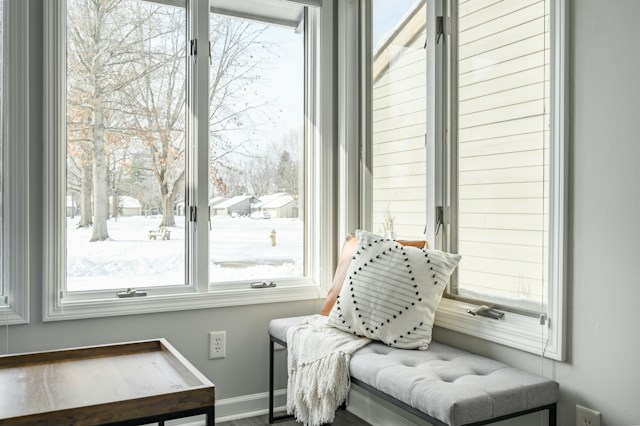
Older windows can quietly raise monthly household expenses through air leaks, uneven indoor temperatures, and extra strain on heating and cooling equipment. Those losses may feel small near one window, but they add up across several rooms and an entire heating season. At a time when many families are dealing with rising utility bills, finding and fixing these weak spots can protect more of the household budget.
The first step is figuring out where conditioned air escapes. From there, you can estimate what the problem costs and decide whether a simple repair or professional window replacement makes financial sense.
Hidden Household Heat Leaks
Window heat loss doesn’t always come with an obvious breeze. Small gaps can develop where the sash meets the frame, along aging caulk or around trim that has shifted. Some older windows also have loose locks that fail to pull the sash tightly against the weatherstripping. Each opening lets warm indoor air escape while cold outdoor air moves in.
Watch for clues during normal family routines. A chair near the window may feel chilly even though the thermostat shows a comfortable temperature. Curtains might move on windy days or one bedroom may consistently feel colder than the hallway. Condensation between panes can signal a failed insulated glass seal, while peeling paint and dark marks near the frame may point to moisture intrusion.
The U.S. Department of Energy’s guidance on air sealing explains that leaks can occur around windows, doors, and other building openings. You can perform a basic check by closing and locking each window, then slowly moving your hand around its perimeter. A thin tissue can also help reveal airflow because it flutters near a draft.
Inspect both the interior and exterior when safely accessible. Cracked caulk, damaged weatherstripping, and visible daylight around a frame deserve attention. Write down the room and condition of each window so you can compare problems instead of relying on memory.
Calculate Seasonal Draft Costs
Start with your utility statements from the same months over two or three years. Record energy use as well as the dollar amount since rate changes can make a bill rise even when consumption stays steady. If usage climbs during cold or hot months without a major change in household habits, leaky windows may be part of the problem.
Next, compare rooms. Suppose the family room feels cold enough that you raise the thermostat by two degrees every evening. That adjustment affects the whole home, even though one area caused the discomfort. Space heaters and heated blankets also add separate operating costs, so include them when estimating the real price of a draft.
Looking at the household’s wider energy habits can reveal other opportunities to reduce expenses. This guide to keeping utility bills under control covers energy-use tracking, heating and cooling habits, and practical ways to address common household energy waste.
You don’t need a perfect dollar figure to decide what comes next. Rank windows by visible damage, room discomfort, and frequency of use. A badly deteriorated window in a child’s bedroom or main living area will usually deserve attention before a minor leak in a rarely used storage room.
Temporary caulk or weatherstripping may solve a small, accessible gap. Recurring moisture, warped frames, difficult operation, and failed glass seals call for a professional assessment. Homeowners considering replacement can learn about window and door installation services from AGT Home Solutions before comparing contractors, written estimates, product options, and installation plans.
Ask each contractor to separate product, labor, and disposal costs. The estimate should also explain how the installer will address the opening around the frame, since a high-performing window can still waste energy if gaps remain after installation.
Why Quality Window Seals Matter
A window has several seals doing different jobs. Weatherstripping limits air movement around operable parts. Exterior caulk blocks air and water where the frame meets nearby materials. Insulated glass units have factory seals around their edges to maintain the space between panes.
When one layer fails, the symptoms depend on its location. Worn weatherstripping can create a noticeable draft. Split exterior caulk may let rain reach the wall cavity. A failed insulated glass seal often creates fog or moisture between panes that can’t be wiped away from either side.
Quality materials help, but correct installation and surface preparation matter just as much. New caulk won’t last if it’s applied over dirt, loose paint, or damp material. Weatherstripping that’s too thick can keep a window from closing correctly, while material that’s too thin may leave the gap unchanged.
For replacement projects, look at performance labels instead of relying on broad claims such as “energy-saving.” The ENERGY STAR window criteria account for climate zones and product performance. Two common measurements are the U-factor, which describes heat transfer, and the solar heat gain coefficient, which shows how much solar heat enters through the glass.
The National Fenestration Rating Council label provides standardized ratings that make products easier to compare. Lower numbers aren’t automatically best in every category or climate. A reputable installer should explain how glass packages, frame materials, and ratings fit your home’s sun exposure and local weather.
Practical Adjustments for Everyday Savings
Begin with adjustments that cost little and don’t interfere with safe window operation. Lock windows after closing them because the mechanism helps compress the sash against its seals and reduces unwanted air movement. Clean tracks and remove debris that prevents a full closure. Replace worn weatherstripping with a type made for that window style, following the product directions carefully.
Use curtains strategically. Open them on sunny winter days when the sun provides useful warmth, then close them after sunset to reduce the chilly feeling near the glass. During hot weather, close coverings on windows that receive intense afternoon sun. Keep supply and return vents clear so the heating or cooling system can circulate air properly.
Removable window film can improve comfort around some older windows, especially during a cold season when replacement isn’t yet in the budget. It works best as a short-term measure for minor air leakage. It won’t correct rot, water damage, broken hardware, or a failed insulated glass unit.
Set a repair limit before spending money on repeated patches. If a window needs new hardware, glass work, frame repair, and recurring caulk touch-ups, compare that combined expense with a replacement quote. Families planning to remain in the home for several years may place more value on steady comfort and lower energy use, while those preparing to move may focus first on moisture damage and safe operation.
Check the repaired areas after the next windy day or major temperature change. If the same room still feels uncomfortable, the source could be attic insulation, a nearby exterior door, or an opening around pipes and wiring. Windows are only one part of the home’s outer shell, so avoid assuming every temperature problem comes from the glass.
Keep your inspection notes with utility statements and contractor estimates. That simple record shows which fixes improved comfort, which windows continue to cause trouble, and where the next household improvement dollar will have the greatest effect. A simple inspection of locks, seals, and caulk can reveal problems that may be adding unnecessarily to household expenses.

