


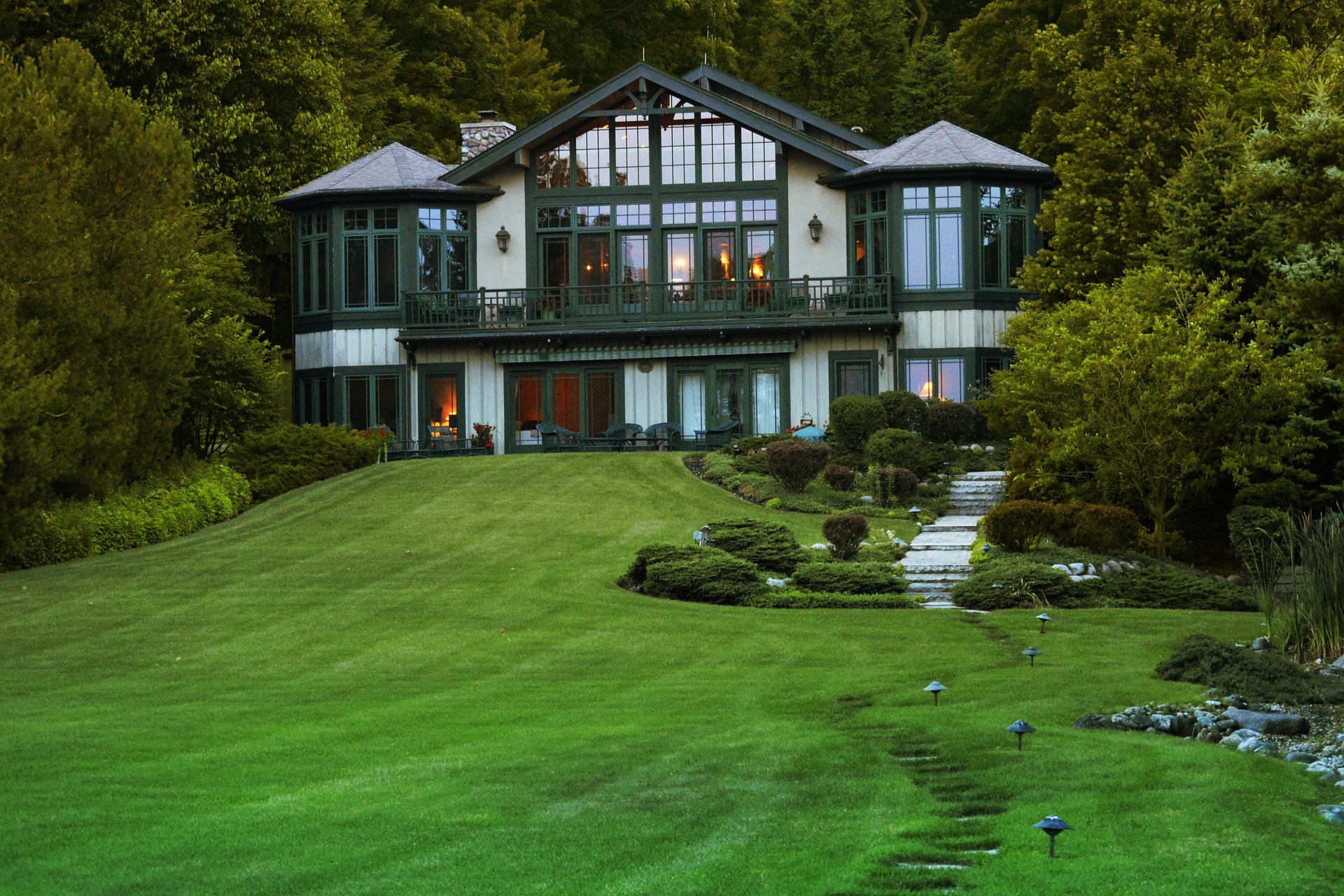
A patched-together yard rarely looks like an accident, it looks like exactly what it is, a series of small decisions made without a plan. Professional landscape design starts from the opposite direction, treating a yard as one connected space instead of a collection of separate projects added over time.
That difference shows up in more than appearance. A well-designed outdoor space affects how a home feels to live in day to day, how it holds up over the years, and, when the time eventually comes to sell, how much it’s actually worth to a buyer standing on the curb for the first time.
What Counts as Professional Landscape Design
Professional landscape design covers more ground than picking out plants. It includes the structural decisions, grading, drainage, hardships like patios and walkways, that determine whether a yard actually functions well before a single plant goes into the ground. Here’s what that typically includes.
- Site grading — Shaping the land so water flows away from the home instead of pooling near it.
- Hardscape planning — Designing patios, walkways, and retaining walls that structure how the space is used.
- Plant and material selection — Choosing options suited to the local climate and soil, not just appearance.
- Long-term layout — Planning how the space will look and function years down the road, not just on installation day.
Each of these pieces works together, which is exactly why a professionally designed yard tends to hold up so differently than one built project by project.
How Thoughtful Landscape Design Improves Your Property
A professionally designed landscape delivers benefits that extend well beyond appearance, influencing how a property functions, ages, and is perceived over time. When every element is planned to work together, the result is an outdoor space that offers both immediate enjoyment and lasting value.
1. It Makes the Strongest First Impression a Home Can Offer
Curb appeal is one of the first things anyone notices about a property, often before they’ve stepped inside. According to the National Association of Realtors’ Remodeling Impact Report, 97 percent of real estate agents consider curb appeal important in attracting buyers, and an overall landscape upgrade typically recovers 100 percent of its cost at resale.
A thoughtfully designed front yard signals that a home has been cared for consistently, not just recently tidied up for a showing. This impression matters whether a homeowner is selling soon or simply wants to feel proud pulling into their own driveway.
2. It Prevents Costly Water and Drainage Problems
Poor grading is one of the most common, and most expensive, mistakes in an unplanned yard, since water that doesn’t drain properly can damage foundations, erode soil, and kill plants over time. Professional design addresses this from the very start, shaping the land intentionally rather than discovering the problem after it’s already caused damage. Fixing drainage after the fact is almost always more disruptive and expensive than planning for it upfront.
3. It Turns a Yard Into Usable Living Space
A well-designed outdoor area extends a home’s living space rather than just decorating the perimeter of it. Patios, defined seating areas, and thoughtful pathways turn a yard into somewhere people actually want to spend time, not just look at from a window. This kind of usable space adds genuine daily value that a random arrangement of plants simply doesn’t offer.
4. It Reduces Long-Term Maintenance Costs
A design built around the right plants for the local climate and soil needs less water, less replacement, and less ongoing correction than a yard assembled without that planning. Choosing options suited to the environment from the outset prevents the recurring cost of plants that struggle or die and need replacing year after year. Over time, this planning tends to save considerably more than it costs upfront.
5. It Genuinely Increases a Home’s Resale Value
Landscaping consistently ranks among the improvements real estate professionals recommend before a home goes on the market, precisely because it shapes a buyer’s very first impression. A design that looks intentional, rather than assembled piecemeal over the years, reads as a home that’s been properly maintained throughout. This perception can meaningfully affect both how quickly a home sells and the price it ultimately commands.
Choosing the Right Landscape Company
Not every landscaping company approaches a project with the same level of planning behind it. A few things are worth confirming before committing to one.
- Design experience, not just installation: A company that plans layout and structure shows more depth than one that only installs pre-selected plants and materials.
- Grading and drainage expertise: Proper water management from the start prevents problems that are far more expensive to fix later.
- A portfolio of completed projects: Real, finished work gives a far more honest picture of quality than concept renderings alone.
- Clear communication throughout the process: A company that keeps you informed at every stage is one you can trust to actually deliver what was promised.
For homeowners exploring this kind of investment, Pro Care Companies is one option worth considering, offering landscape design, hardscapes, and grading services built around exactly this kind of full-picture planning.
Treating It as an Investment, Not Just Decoration
Landscaping is often the last item on a renovation list, treated as a finishing touch rather than a genuine investment. That framing undersells what a well-planned outdoor space actually contributes, both to daily life at home and to what the property is ultimately worth.
Viewed as an investment rather than decoration, the case for professional design becomes considerably clearer, since the returns show up in resale value, reduced long-term costs, and a home that simply works better every single day.
Final Thoughts
Professional landscape design adds value in ways that go well beyond appearance, preventing costly problems, creating usable space, and genuinely increasing what a home is worth. Treating it as a real investment, rather than an afterthought tacked onto the end of a renovation, is what allows a yard to actually deliver on all three. The homeowners who see the biggest payoff are usually the ones who planned for it from the very start, not the ones who added pieces one at a time and hoped they’d eventually fit together.

