


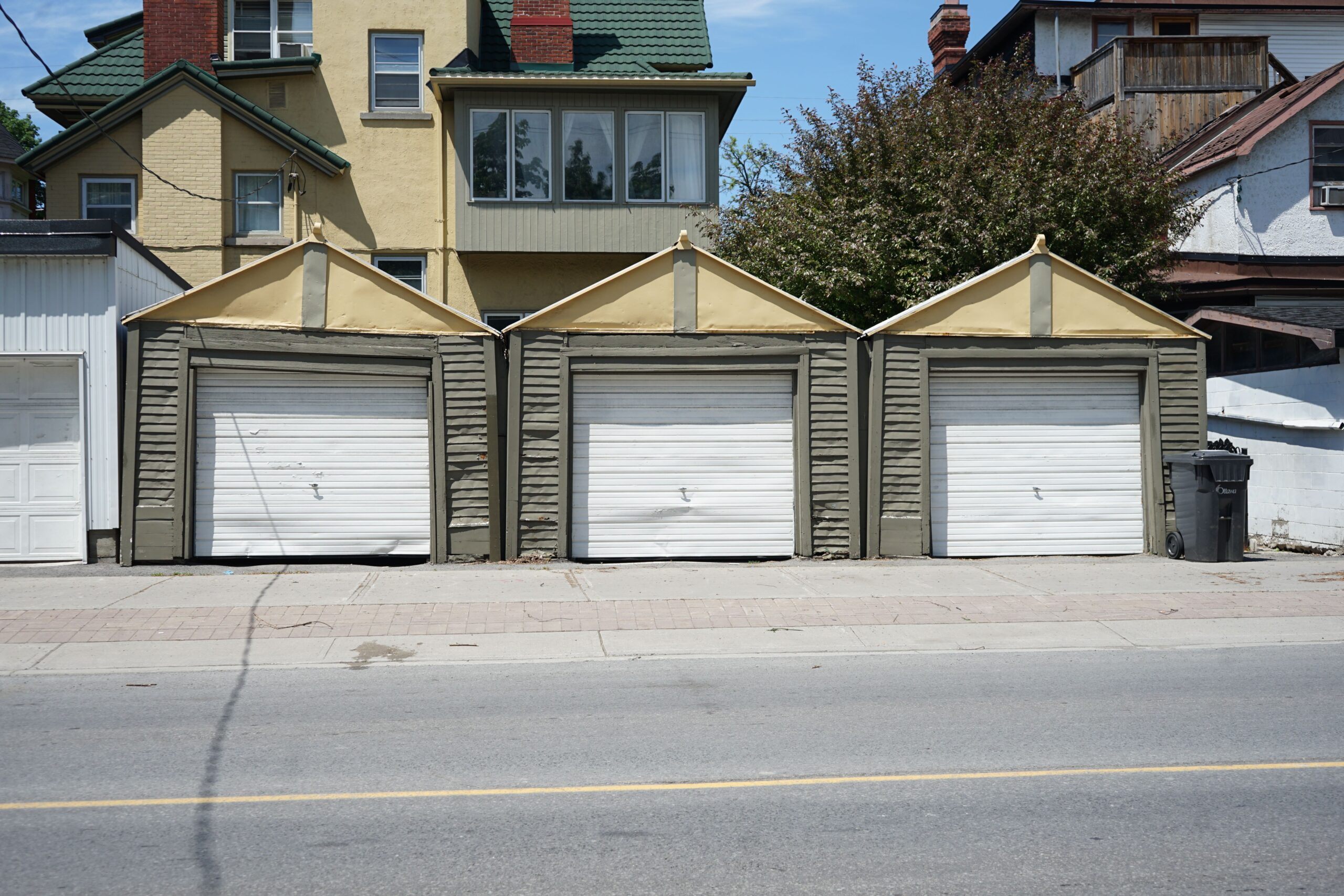
The garage door is the largest moving object in most homes, and the one nobody thinks about. It goes up and down several times a day, carries hundreds of pounds on a pair of springs wound tight enough to be dangerous, and sits between the house and the street as a primary entry point. Yet it gets less attention than the dishwasher. Most people notice their garage door only on the morning it won’t open, or the evening it won’t close, or the day it comes down faster than it should.
That inattention is a safety issue as much as a convenience one. A well-maintained garage door protects children and pets from injury, keeps the home secure, and avoids the kind of sudden failure that leaves a car trapped or a family locked out. Here’s what proper maintenance involves, why it matters, and how to tell when a professional should be involved.
The Safety Standards Exist for a Reason
Modern garage doors have safety features because the older ones hurt people. According to the U.S. Consumer Product Safety Commission, between 1982 and 1996 there were 62 deaths and 49 injuries to children under 15 associated with automatic garage doors and openers, which led to the mandatory auto-reverse and sensor requirements that every opener now carries.
Those features only protect a family if they work. A door whose sensors are misaligned or whose reversing mechanism has drifted out of adjustment is, in practical terms, an old door again. Maintenance is what keeps the protection active.
What Can Go Wrong
A garage door is a system of parts under load, and each one wears:
- Springs lose tension over thousands of cycles and eventually snap, often with a bang and sometimes with the door crashing down
- Cables fray where they wind on the drums and can let go without warning
- Rollers and hinges wear, causing the door to bind, jerk, or jump the track
- Tracks bend or loosen, especially after a vehicle bump
- Openers suffer worn gears, failing sensors, and stripped drive mechanisms
- Weatherstripping and seals crack and shrink, letting in water, pests, and cold
- Safety sensors go out of alignment from a knock or accumulated dust
Most of these develop gradually and give warning signs. The danger is in ignoring them.
The Monthly Checks Any Homeowner Can Do
Ten minutes a month catches most problems early:
- Look and listen. Run the door and watch for jerking, hesitation, or grinding. New noises are the earliest warning
- Test the auto-reverse. Place a piece of wood or a roll of paper towels flat on the floor in the door’s path; the door should reverse on contact. If it doesn’t, stop using the door until it’s fixed
- Test the photo-eye sensors. Start the door closing and wave an object through the beam near the floor; it should reverse immediately
- Check the balance. Pull the release cord to disconnect the opener, then lift the door by hand to waist height. It should stay put. If it drifts up or crashes down, the springs are out of balance and need a professional
- Inspect cables and springs visually for fraying, rust, or gaps, without touching them
- Lubricate rollers, hinges, and springs with a garage-door lubricant, not general-purpose grease
- Tighten loose bolts on brackets and tracks
- Check the weatherstripping along the bottom and sides
Anything involving springs, cables, or the door coming off its track is not a homeowner job. The energy stored in a torsion spring can cause serious injury.
When to Call a Professional
Some conditions need trained hands and the right tools:
- A broken or visibly stretched spring
- Frayed or loose cables
- A door that’s off its track or won’t stay balanced
- An opener that fails the reverse or sensor tests after cleaning and alignment
- A door that’s noticeably crooked when moving
- Any door that has slammed shut or fallen
An annual professional tune-up is also worth scheduling even when nothing seems wrong, since a technician checks spring tension, cable condition, opener force settings, and sensor alignment with instruments rather than eyes. A Garage Door Repair & Maintenance Specialist will typically inspect and adjust the springs and cables, lubricate and test every moving part, confirm the safety systems reverse correctly, and flag components nearing the end of their life before they fail.
Sam’s Garage Doors, for example, offers that kind of scheduled preventative service alongside emergency repair, which is the combination a homeowner wants: routine checks that prevent most failures, and someone to call for the ones that can’t be predicted. Whoever you use, ask that the safety tests be part of every visit.
Security Is Part of Safety
A garage door is also a front door. Maintenance protects the home as well as the people in it:
- Keep the opener’s rolling-code technology current; older fixed-code remotes can be copied
- Don’t leave the remote in a vehicle parked outside
- Make sure the door closes fully and the seal is tight; a gap at the bottom is an invitation
- Lock the door into the house from the garage, and keep the emergency release cord out of easy reach from outside
- Replace a wobbly or damaged door panel, which can be forced
A door that works properly, closes completely, and locks reliably is a meaningful part of a home’s security.
Protecting Children and Pets
A few habits reduce the risk further:
- Mount wall controls high, out of children’s reach
- Teach children that the door is not a toy and never to race under it
- Never let anyone stand or walk under a moving door
- Keep the sensor lenses clean and unobstructed
- If a pet or child is in the garage, wait until the door has fully closed or opened before walking away
These simple precautions help keep your garage door safe for children, pets, and everyone in your household.
Conclusion
Proper garage door maintenance protects a home and family by keeping the largest moving object in the house safe, balanced, and secure. The auto-reverse and sensor systems that modern doors carry exist because of real injuries to children, and they only work when they’re tested and adjusted.
Ten minutes of monthly checks, an annual professional tune-up, and prompt attention to new noises or failed tests prevent most of the sudden failures that trap cars, lock out families, or hurt someone. The door that goes up and down without a thought is the one that’s been looked after. Make sure yours is.

