


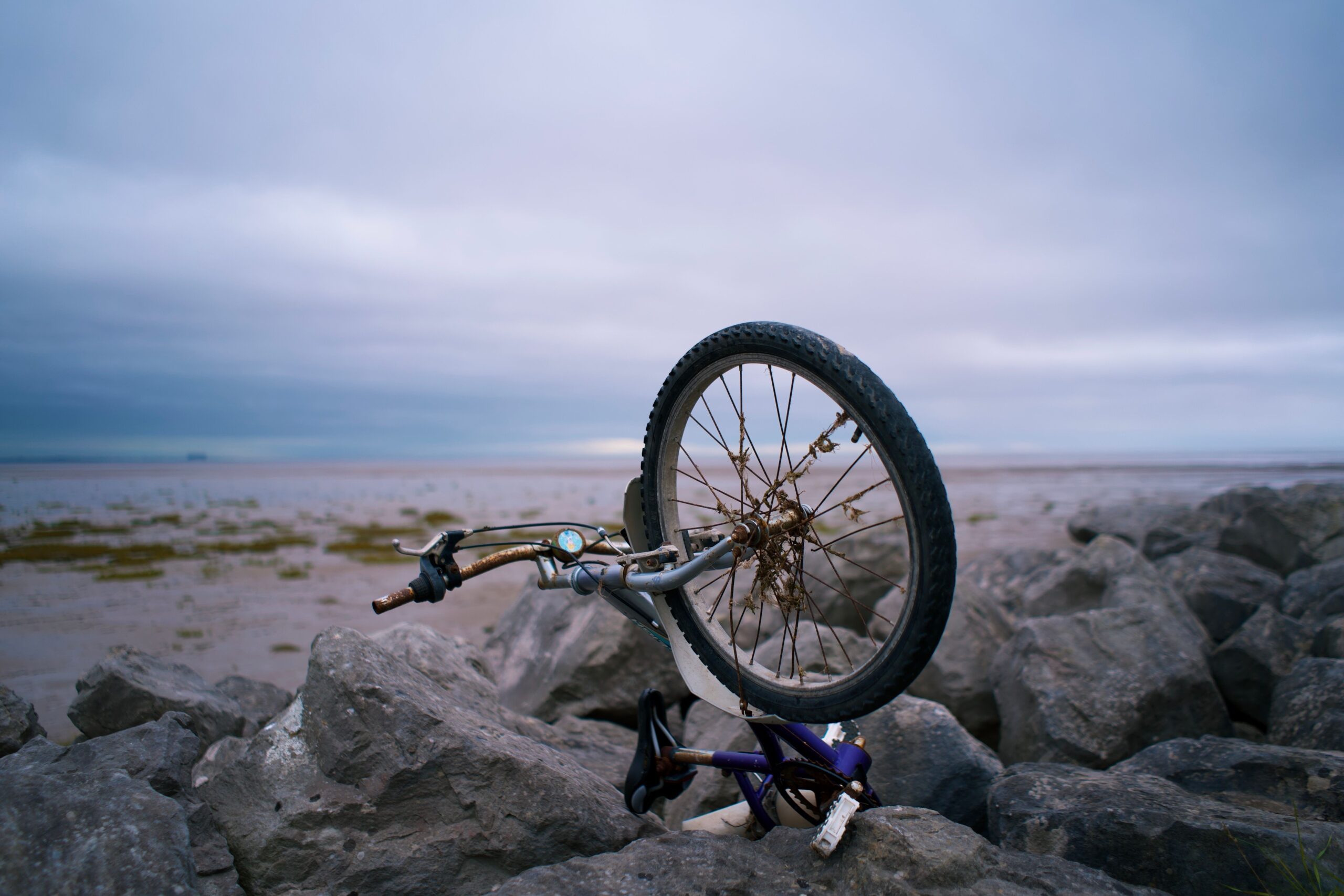
The phone rings while you’re making dinner. It’s a stranger’s number, and the voice on the other end says your child, or your spouse, or your parent, has been hit while riding their bike. Or you’re the one on the ground, bike wheel still spinning, a driver standing over you saying they didn’t see you, and your first thought isn’t about yourself but about who’s going to pick the kids up.
Bicycle accidents hit families differently from other crashes. The cyclist has no steel around them, so injuries tend to be serious. The rider is often a child or a teenager. And the aftermath lands on the whole household: hospital visits, missed work, a bike to replace, a kid who’s suddenly afraid of the road. Here’s a practical walk-through of what to do, in order, from the first minutes to the months that follow.

Why Preparation Matters
Cycling is safer than headlines suggest, but when crashes happen, they’re rarely minor. According to the National Highway Traffic Safety Administration, 1,103 bicyclists were killed and an estimated 52,887 injured in traffic crashes in 2024, with 81 percent of the deaths occurring in urban areas and 30 percent at intersections.
Those are the places families ride most: city streets, suburban roads, the route to school. Knowing what to do in advance is the only part of a crash you can control.
At the Scene
Whether you’re the cyclist or the family member who arrives first, the priorities are the same:
- Call 911. Even for a seemingly minor crash. Head injuries, internal injuries, and fractures are easy to miss under adrenaline, and a police report becomes essential later
- Don’t move an injured rider unless they’re in immediate danger from traffic. Wait for paramedics
- Keep the helmet. Don’t throw it away even if it’s cracked; it’s evidence of the force involved
- Get the driver’s information: name, license, plate, insurance, and phone number. Don’t argue about fault
- Photograph everything: the bike, the vehicle, the road, skid marks, traffic signs, the intersection, and any visible injuries
- Collect witness names and numbers before people leave
- Say little. “I’m hurt” and “Let’s wait for the police” are enough. Avoid apologizing or speculating about what happened
- Ask for the report number and which agency is handling it
If a child is involved, stay calm for them; they’ll take their cue from you.
The First 24 Hours
The first 24 hours after a cycling accident can be overwhelming, but a few careful steps can protect your health and preserve important information.
- Get a full medical evaluation, even if the rider seems fine. Concussions and soft-tissue injuries often appear the next day
- Write down everything you remember while it’s fresh: time, weather, direction of travel, what the driver said
- Notify your own auto insurer. In many states, your auto policy covers you and your family members as cyclists, including uninsured and underinsured motorist coverage if the driver has little or no insurance
- Don’t post about it on social media
- Don’t give a recorded statement to the driver’s insurer until you’ve had advice
Taking these steps promptly can help you focus on recovery while protecting your rights and keeping the details of the accident documented.
The First Week
This is when the insurance company calls. The adjuster will be friendly, and the offer may sound reasonable, especially when medical bills are arriving. Resist settling early. The full extent of injuries, particularly in children whose bodies are still growing, often isn’t known for weeks or months, and a settlement signed now closes the door on anything discovered later.
It’s also the right moment to get legal advice, because personal injury rules are set by state, and the clock starts at the crash. In Texas, for instance, there’s generally a two-year window to file a claim, and the way fault is shared can reduce or eliminate what a cyclist recovers. Families there often turn to a bicycle accident lawyer in Houston, JCJ Law Group or a similar local firm to handle the investigation, the insurer, and the medical liens while they focus on recovery. Wherever you live, look for someone who works on contingency and offers a free consultation, so getting advice costs nothing up front.
The Weeks and Months After
Recovery is a family project:
- Follow every medical recommendation. Gaps in treatment are used by insurers to argue the injuries weren’t serious
- Keep a folder with every bill, receipt, report, and letter
- Track lost time: work missed, school missed, activities the rider couldn’t do
- Keep a short journal of pain levels and daily limitations; it’s hard to reconstruct later
- Replace or repair the bike only after it’s been photographed and, ideally, inspected
- Watch for emotional effects, especially in children: fear of riding, nightmares, reluctance to go outside. These are real injuries too and deserve attention
Careful documentation and consistent follow-up can make recovery easier while ensuring that no important part of the rider’s physical or emotional recovery is overlooked.
When the Rider Is a Child
A few things are different when a minor is hurt:
- Settlements involving children usually require court approval, which protects the child but takes time
- Funds may be held in trust until the child turns 18
- A child’s future medical needs, growth-related complications, and lost opportunities are part of the claim
- Children are held to a different standard of care than adults in most states, which matters when a driver claims the child “darted out”
Don’t let anyone rush a child’s case. The long view is the whole point.
What a Claim Can Cover
Depending on the circumstances of the accident, a claim may cover more than immediate medical bills and can include the broader financial and personal impact of the injury.
- Emergency and ongoing medical care, including physical therapy and counselling
- Future medical needs
- Lost wages for the rider and for a parent who had to stop working to provide care
- The bike, helmet, clothing, and any damaged belongings
- Pain, suffering, and loss of enjoyment of life
- In some cases, additional damages when a driver was impaired or reckless
Understanding what may be recoverable can help families document their losses and make informed decisions about the claim.
Getting Back on the Bike
Eventually, most families want to ride again. Make the return gradual: quiet streets, daylight, a new helmet, lights front and back, and a route reviewed together. Talk about what happened without blame. Confidence comes back, usually faster for the kids than for the parents watching them go.
Conclusion
If your family is involved in a bicycle accident, the order of things matters: safety and medical care first, evidence and information at the scene, a careful approach to insurers in the first days, early legal advice before deadlines and settlement pressure take over, and a patient, well-documented recovery after that.
With more than a thousand cyclists killed and tens of thousands injured on American roads each year, mostly in the urban places families ride, it’s a situation worth being ready for even if you never need the plan. Take care of the rider, keep the records, don’t sign anything quickly, and give everyone, including yourself, time to heal.

