


If you’ve recently looked in the mirror and felt like your skin changed almost overnight, you’re not alone. Going through perimenopause and menopause brings a lot of shifts, and our skin is often one of the first places we notice them. Suddenly, that moisturizer you’ve loved for years doesn’t seem to work, and new lines appear where there were none before. Understanding these changes is the first step to feeling confident and comfortable in your skin again.
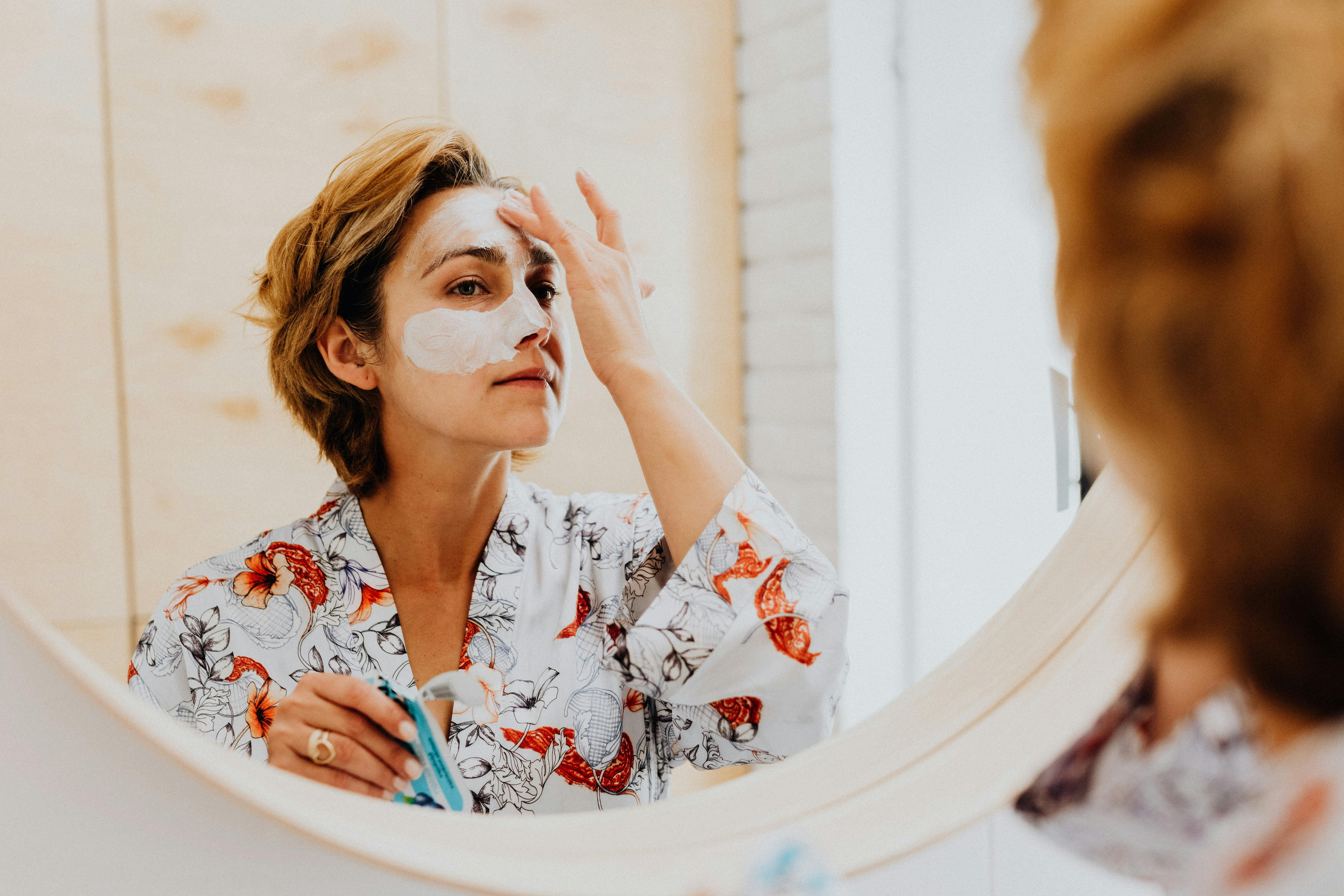
Understanding Perimenopause Skin Changes
When we hit our 40s and 50s, estrogen levels start to drop. This directly affects how healthy our skin is and how it looks. Estrogen is super important for making collagen, the protein that keeps skin full, firm, and hydrated. As estrogen levels go down, you might notice your skin getting drier, thinner, and less flexible. This is a normal part of aging, but the hormone changes during this time can make it happen faster.
These visible changes are often described as menopause-related skin changes, including dryness, fine lines, reduced firmness, and increased sensitivity. Understanding why these changes happen can help you adjust your skincare routine and choose products that better support your skin during this stage of life. Many of these changes are linked to hormonal shifts that affect collagen production, moisture retention, and your skin’s natural repair process.
Everyday Habits for Skin Health
You can’t stop time, but you can help your skin from the inside out with a few simple daily habits. What you eat and how you live really impact how strong your skin is.
- Drink plenty of water: Staying hydrated throughout the day helps fight the dryness that comes with lower estrogen levels.
- Eat colorful foods: Foods packed with antioxidants, like berries, leafy greens, and nuts, help protect your skin from damage. Healthy fats found in avocados and salmon can also help your skin’s moisture barrier.
- Get enough sleep: Your skin repairs itself overnight. Aiming for 7-9 hours of good sleep can make a noticeable difference in your complexion.
- Manage stress: High cortisol levels from stress can make skin problems worse. Doing things like yoga, meditation, or even a quiet walk can help keep stress down.
Why Your Skin Feels Different Now
It’s not just about what you see in the mirror; it’s also about how your skin *feels*. Many women say their skin suddenly feels tight, itchy, or more reactive than ever. This happens because the skin’s protective barrier, which locks in moisture and keeps irritants out, gets weaker as estrogen declines.
Your trusted skincare routine might suddenly seem useless or even irritating. A cleanser that once left your face feeling clean might now leave it feeling stripped and dry. A favorite lotion may no longer give enough hydration to last all day. This doesn’t mean the products changed; it means your skin’s needs have. Realizing this is key to changing your routine effectively.
Simple Skincare Swaps for Mature Skin
You don’t need to throw out everything in your bathroom, but a few smart changes can make a huge difference. The goal is to focus on hydration, protection, and gentle renewal.
- Switch to a creamy cleanser: Trade foaming or gel cleansers, which can strip natural oils, for a gentler, cream-based formula that cleans without drying.
- Add a hydrating serum: A serum with hyaluronic acid is a great addition. This ingredient acts like a sponge, pulling moisture into the skin and helping it look plumper and more hydrated. Learning about the benefits of hyaluronic acid can help you pick the right product.
- Try a retinoid: Over-the-counter retinol or a gentler option like bakuchiol can help boost collagen production and speed up cell turnover. This improves skin texture and reduces the look of fine lines. Start slowly to let your skin get used to it.
- Never skip sunscreen: Sun protection is a must at any age, but it’s extra important now. Sun exposure can break down collagen faster, so a broad-spectrum SPF of 30 or higher should be the last step in your morning routine, every single day.
Beyond the Basics: Expert Insights
If you’ve changed your routine and still feel like your skin isn’t at its best, it might be time to see a professional. A dermatologist can give you personalized advice and suggest prescription treatments, like tretinoin, which are stronger than over-the-counter options. They can also diagnose and treat other skin conditions linked to menopause, like rosacea or adult acne, which can sometimes flare up during this time. Estheticians can offer services like hydrating facials, chemical peels, or light therapy that support what you do at home. Don’t hesitate to get expert help to create a plan that works for you.
Embracing this new phase of life means learning to care for your changing skin. With a little knowledge and a few adjustments, you can keep your skin looking and feeling healthy, vibrant, and beautiful.

