


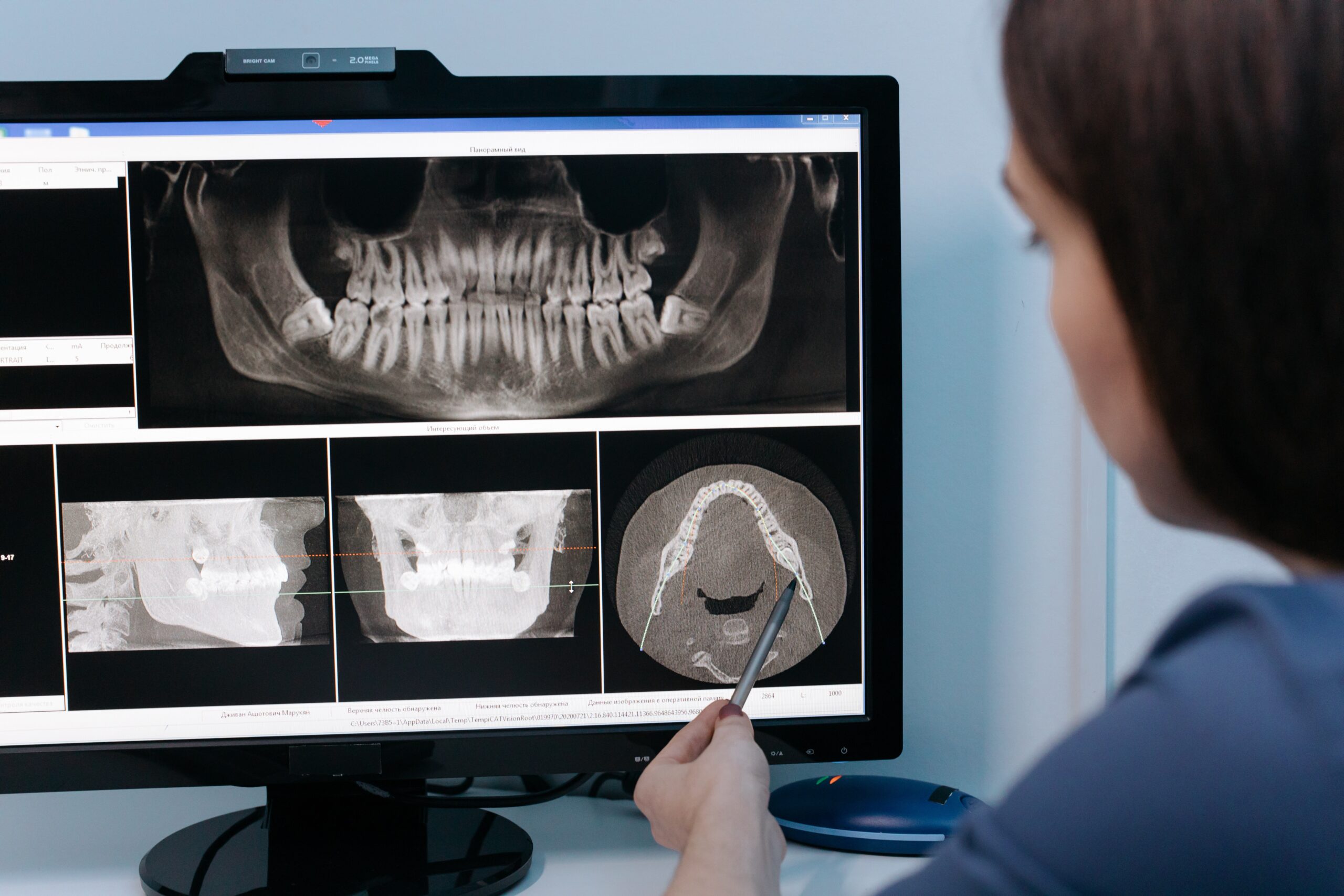
Accidents can occur unexpectedly, leaving individuals with severe oral injuries affecting their physical appearance and overall oral health. In such cases, restorative dentistry is crucial in restoring damaged teeth, improving functionality, and enhancing smiles. This branch of dentistry focuses on repairing and rehabilitating dental structures, ensuring patients regain their oral health and confidence.

Accidents and trauma can result in dental injuries, including chipped or fractured teeth, dislodged or knocked-out teeth, jaw fractures, and soft tissue damage. These injuries impact a person’s ability to speak, eat, and smile and can lead to long-term dental complications if left untreated. Credible restorative dentistry clinics like Dublin Dental Care aim to address these issues promptly, with the primary objective of returning patients to optimal oral health.
One of the most common restorative procedures after an accident is dental bonding. Dental bonding involves the application of a tooth-colored resin material to repair chipped or fractured teeth. The material is carefully shaped and molded to match the natural tooth, restoring functionality and aesthetics. This non-invasive procedure offers a quick and effective solution for minor dental injuries, providing immediate results.
- Dental crowns is what you need
For more severe dental trauma, dental crowns may be recommended. A dental crown is a custom-made cap that covers a broken tooth, restoring its shape, strength, and appearance. Crowns can be made from various materials, such as porcelain, ceramic, or metal alloys, depending on the patient’s specific needs. By encapsulating the injured tooth, dental crowns provide long-term protection, preventing further damage and preserving the tooth’s functionality.
In cases where teeth are knocked out or avulsed due to an accident, immediate action is crucial. Dentists may attempt to re-implant the avulsed tooth, especially if the tooth is intact and the patient seeks primary dental care. Timely intervention significantly increases the chances of successful re-implantation. Dental implants can be considered a permanent solution if re-implantation is not possible. Dental implants involve the placement of a titanium post into the jawbone, which acts as an artificial tooth root. The implant is then topped with a prosthetic crown, restoring the missing tooth with a natural-looking and functional replacement. According to this dentist who does one of the best dental implants in Little Falls NJ, implants can last a lifetime with proper care and maintenance. You’ll only need to replace the crown when needed.
- Addressing complex cases
Oral and maxillofacial surgeons work alongside restorative dentists to address these complex cases when an accident results in jaw fractures or other significant facial injuries. Surgical interventions may be required to realign fractured bones and stabilize the jaw. These procedures restore proper functioning and ensure the aesthetic harmony of the facial structures.
Beyond the physical aspects, restorative dentistry also considers patients’ emotional wellbeing. Dental trauma can profoundly impact a person’s self-esteem and confidence. Restorative dentistry helps individuals regain their self-assurance and improve their overall quality of life by providing comprehensive dental care and restoring smiles. It is worth noting that prevention is always better than treatment.
While accidents cannot always be prevented, wearing mouth guards during sports activities and taking necessary precautions can minimize the risk of dental injuries. Regular dental check-ups are essential for identifying any underlying issues and addressing them proactively. Book your appointment with a dentist today.

