


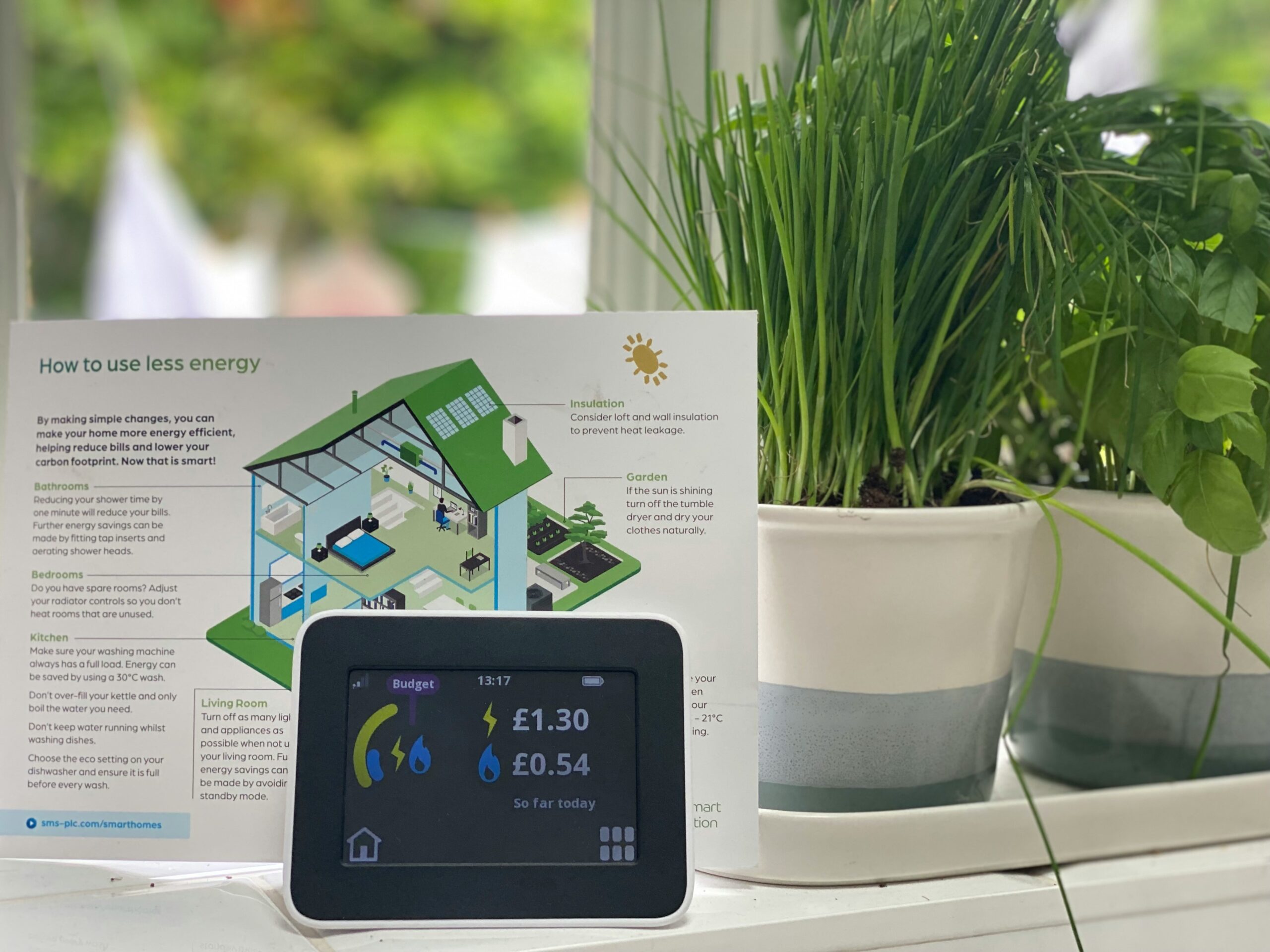
Small household adjustments can lower utility bills without making your home uncomfortable. The best results often come from fixing waste that’s easy to overlook, such as a frequently used appliance left on standby, a slow plumbing leak, or an HVAC system struggling against a clogged filter. Start by reviewing several months of bills so you can spot seasonal patterns and unusual increases. Then focus on changes that match your home, daily schedule, and budget.
Energy-Saving Habits
Pay attention to when and how your household uses electricity. Some utilities charge different rates based on the time of day, so running the dishwasher or washing machine during off-peak hours may reduce costs. Wash full loads, use cold water for laundry, and let dishes air-dry when your machine offers that setting.
Everyday changes can add up. Turn off unused electronics and adjust appliance settings. Smart power strips can also cut standby power from entertainment centers, office equipment, and gaming systems. When replacing a burned-out bulb, choose an LED that fits the fixture instead of changing every working bulb at once.
HVAC Efficiency Upgrades
Replace or clean your HVAC filter according to the equipment manufacturer’s schedule. A dirty filter restricts airflow, which can make the system run longer to reach the temperature you selected. Keep supply vents open and move furniture or curtains that block airflow.
Schedule service if rooms stay unevenly heated or cooled, the system cycles constantly, or energy use rises without an obvious explanation. Homeowners can consult local plumbing and HVAC services when repairs or professional maintenance are needed. Ask the technician to check airflow, system controls, and equipment condition. Before replacing a unit, request an appropriate load calculation so the new system is sized for the home instead of based only on the old unit.
Water Conservation at Home
A dripping faucet can seem minor, but steady leaks waste treated water and may increase water-heating costs when the hot side is involved. Check faucets, showerheads, and the cabinets below sinks once a month. For toilets, add a few drops of food coloring to the tank, wait about 10 minutes without flushing, and look for color in the bowl. Color indicates a leak that often comes from a worn flapper.
Shorter showers and low-flow fixtures can reduce hot water use while keeping water pressure comfortable. Run full dishwasher and laundry loads, then follow the manufacturer’s recommended detergent amount. Too much detergent can lead to extra rinsing and leave residue on clothing or dishes.
Insulation and Air Sealing
Small gaps around windows, doors, and utility openings allow conditioned air to escape. On a windy day, carefully feel for drafts near frames and baseboards. Use weatherstripping on moving parts such as doors and apply the correct caulk to stationary gaps. Don’t seal intentional ventilation openings or equipment exhausts.
The attic often offers a larger savings opportunity because heat moves between living areas and the space above them. Inspect insulation for thin spots, moisture, or compression before adding more. It is also recommended to check insulation and seal air leaks. If you find damp insulation, identify and repair the moisture source first since wet material won’t perform as intended.
Smart Thermostat Benefits
A smart thermostat can keep the HVAC system from conditioning an empty home as if everyone were still there. Set modest temperature changes around sleep, work, and school schedules. Large setbacks can sometimes make certain systems work harder during recovery, so adjust settings gradually and watch your energy use.
Features vary by model. Look for scheduling that fits your routine, clear energy reports, and compatibility with your existing system. Remote controls are useful when plans change, while maintenance reminders help you stay on top of filter replacements. This guide to smart home upgrades that actually save money can help you compare a thermostat with other practical improvements before spending.
Utility savings become easier to see when you track one billing cycle at a time. Note the date of each repair or setting change, then compare usage with the same month from the previous year when possible. That simple record will show which fixes deserve a permanent place in your household routine.

