


She mentioned the dishes piling up. Or maybe you dropped by and the yard looked wrecked — untouched for weeks. Small things, sure. But they stack. Adult children hit this wall constantly. No map, no script, no obvious next move. There’s a whole stretch of territory between full independence and round-the-clock medical care — and assisted living sits right in the middle of it. For parents who still want control but genuinely need a hand? Worth a hard look. Knowing what these communities actually deliver makes the conversation far less terrifying.

What Assisted Living Communities Provide
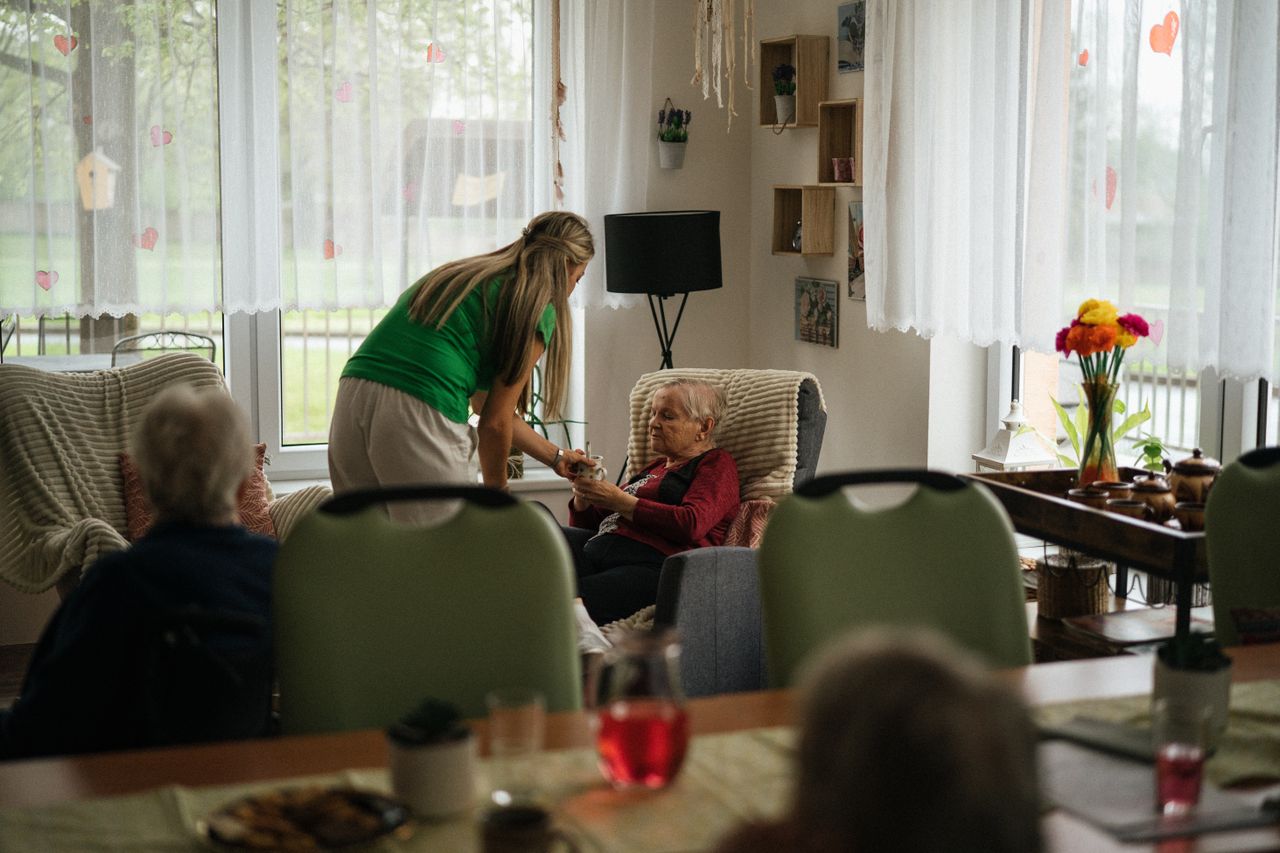
Not nursing homes. Not even close. Residents keep a private apartment — furnished however they want — while getting real, hands-on help with tasks that’ve become genuinely hard. Bathing. Dressing. Medication reminders. Hot meals. Care partners are rotating through day and night, ready when needed. Yet your mother still runs her own schedule. Still makes her own calls. Her life stays intact; the support just fills in the gaps.
Social Connection and Purposeful Engagement
Isolation isn’t some abstract worry. It’s dangerous. Quietly corrosive — eating away at physical and mental health before most families even register what’s happening. Assisted living weaves connection directly into everyday life: group programs, shared dining, community events people actually show up for. Your mother would be surrounded by neighbors who’ve lived through similar decades, faced similar losses, built similar memories. Friendships form naturally. Plenty of residents — unprompted — will tell you that moving gave them a social circle they hadn’t had in years. Something real to get out of bed for.
Safety and Peace of Mind for Your Family
Living alone gets riskier with age. Quietly. Incrementally — until something breaks through. A bathroom fall. A skipped medication. A small repair that spirals badly. Care partners in assisted living catch problems before they compound and respond fast when emergencies hit. Emergency call systems keep help within reach. And for adult children carrying that low-grade dread? Knowing trained professionals are genuinely present — not just theoretically available — changes everything.
Health Support and Professional Care
Chronic conditions don’t manage themselves. Many aging adults are juggling a tangle of medications, mobility challenges, wound care, and more — usually without adequate support at home. Assisted living communities keep nurses and care partners on-site who know precisely how to handle those concerns. Families researching options often encounter a range of care levels while exploring choices such as active independent living in Lewisville, TX, which can clarify what different settings actually involve and how they stack up against each other. Your mother gets staff who spot early warning signs — and who pick up the phone to call her physician when something shifts. That kind of proactive attention is nearly impossible to replicate at home.
Reducing the Demands of Home Ownership
A house is relentless. At any age. But past a certain point it becomes genuinely punishing — and the emotional grip of the family home can make letting go feel like grief. Assisted living strips those burdens away entirely. No repairs. No yard work. No wrestling with housekeeping. Clean common spaces, maintained grounds, regular tidying of her apartment — all handled. That freed-up energy goes somewhere worthwhile instead: programs she actually enjoys, people she actually wants around.
Autonomy, Dignity, and Personal Choice
Losing control — that’s the real fear. Not the move itself, but what it might signal. Good assisted living communities get this instinctively. They don’t strip residents of choices; they build choices in at every level. Your mother decides when she eats, how she fills her afternoons, which kinds of help she accepts. Assistance shows up only where she genuinely needs it. Everything else? Still hers. That distinction — support without surrender — is exactly what lets aging adults settle into a community rather than quietly resent it.
Supporting Your Mother Through the Decision
Don’t decide for her. Decide with her. Exploring options while she can actively participate means she lands somewhere that actually fits — her personality, her preferences, her pace. Tour communities side by side. Ask the uncomfortable questions. Let her talk with current residents, watch daily life in motion, gauge how staff actually treats the people in their care. Starting this process before a health crisis forces the issue almost always produces a smoother transition. A better outcome. Considerably less stress on everyone.
Conclusion
No single moment announces itself as the right time for this conversation. But if your mother’s struggling with household tasks, feeling cut off from people, missing medications, or simply carrying more risk than she should — assisted living warrants a genuine look. The right community delivers professional care, real social connection, and a safer environment, all without dismantling her independence or her dignity. Pull her into the search early. The result will be better for her, and better for your whole family.

