


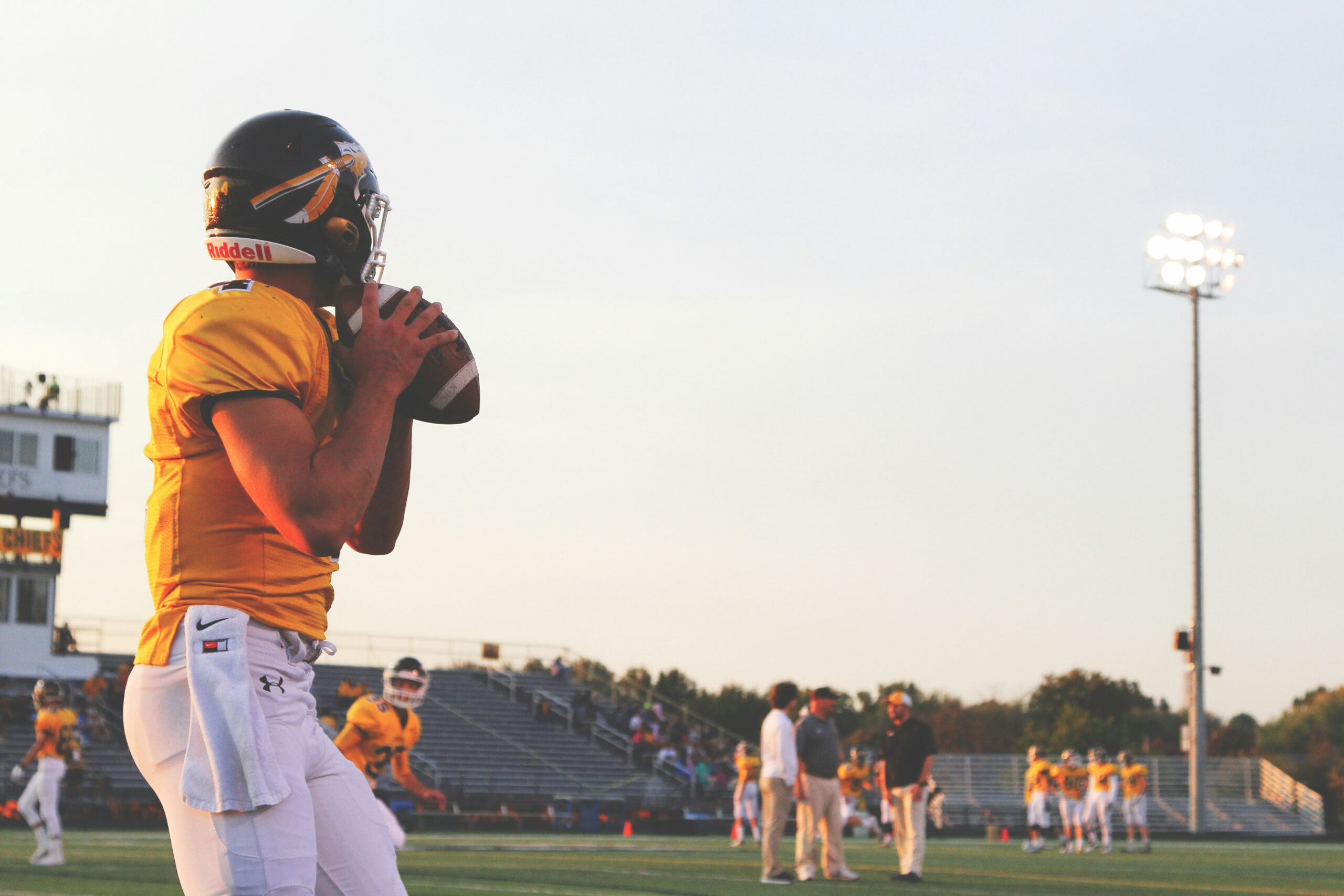
As the school year approaches, so does the excitement and intensity of high school football season. For parents, this time brings a mix of pride and concern. You love watching your student-athlete compete, but you also want to keep them as safe as possible on the field. While schools provide basic equipment, investing in a few key upgrades can make a significant difference in protection and performance. Here’s where to focus your attention when gearing up for the season.

Start with the Head: The Non-Negotiable Helmet Upgrade
If you’re going to upgrade one piece of equipment, make it the helmet. Protective headgear technology has advanced dramatically, offering lighter materials and superior impact absorption. When you’re looking at options, make sure to find a modern football helmet that is NOCSAE certified. That’s the standard for safety and performance.
A proper fit is just as crucial as the technology inside; the helmet should be snug with no shifting or rocking, and the chin strap must be securely fastened. Many newer models are designed to be incredibly lightweight without sacrificing protection, which can help reduce player fatigue during a long game. Talk to your child’s coach or an equipment manager about the best options that meet league standards.
Beyond the Helmet: Upgrading Shoulder Pads
Shoulder pads are the next line of defense, protecting the shoulders, chest, and upper back from impacts. Stock pads can be bulky and might not fit your teen’s specific body type or position well. Upgraded shoulder pads often feature lighter, more flexible materials that allow for a greater range of motion, which is a huge plus for quarterbacks and receivers. For linemen, pads with enhanced chest and back plates provide extra security.
When fitting new pads, make sure they cover the entire shoulder and sternum without sliding around or restricting arm movement. A well-fitted set of pads moves with the player, absorbing force effectively without becoming a distraction.
Footing and Agility: Why Cleats Matter More Than You Think
The right footwear is about more than just speed; it’s a critical tool for injury prevention. Ankle sprains and knee injuries can often be traced back to improper or worn-out cleats. The type of cleat your athlete needs depends on their position and the primary playing surface. Molded cleats are versatile and work well on both grass and artificial turf. Detachable cleats allow you to swap out studs for different field conditions. When shopping, look for good ankle support and a snug but comfortable fit. Have your teen try them on with the same socks they’ll wear during games to ensure an accurate size. Remember, cleats are essential player equipment and should be replaced as soon as the studs wear down.
Don’t Overlook the Details: Mouthguards and Gloves
While smaller, mouthguards and gloves play a huge role in player safety. A mouthguard doesn’t just protect teeth; it also helps absorb shock from impacts to the jaw, reducing the risk of concussions. While basic “boil and bite” models are common, a custom-fit mouthguard from a dentist offers the best protection and comfort. For receivers and running backs, a good pair of gloves provides the tacky grip needed to secure the ball. For linemen, padded gloves offer extra protection for the hands and knuckles in the trenches. These smaller items often show wear and tear first, so inspect them regularly.
A Parent’s Checklist for Gear Inspection
Your job doesn’t end once you’ve bought the gear. Throughout the season, it’s a good idea to perform regular equipment checks. This simple habit can help you spot potential problems before they lead to an injury. When shopping for youth equipment, it helps to know what to look for. Here are a few things to keep an eye on:
- Helmet: Check for any cracks in the outer shell and make sure all internal padding is intact and secure.
- Pads: Look for cracked plastic, torn straps, or compressed padding that no longer offers adequate protection.
- Cleats: Examine the soles for worn-down studs and check for any rips or tears in the upper material.
- Mouthguard: Make sure it hasn’t been chewed through or become distorted, as this reduces its effectiveness.
Investing in your student-athlete’s safety is one of the best ways to support their passion for the game. With the right gear, you can both feel more confident when they step onto the field this season.

