


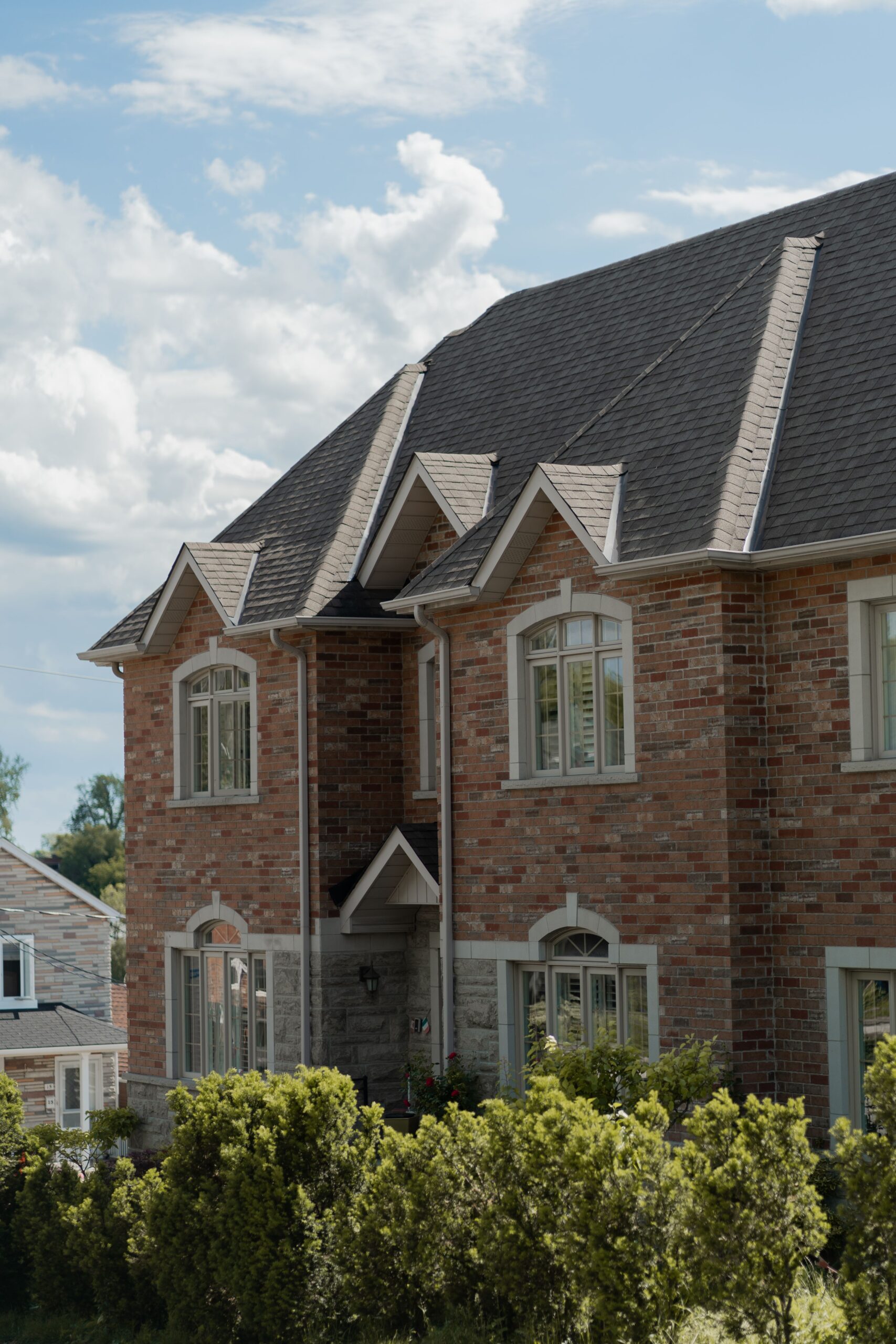
A home should do more than just meet the needs that your family has right now. Ideally, it should continue to serve you well as your kids get older and your lifestyle evolves. Families change, children grow up, work arrangements shift, and your priorities develop in ways you might not expect right now, and so a house that currently feels perfect might become restrictive if it has not been designed with flexibility in mind.

Creating a home that grows with your family is something that requires a lot of thought and planning, but if you make the smart choices now, you can avoid having to move frequently or spending tons of money on costly renovations, while always being able to have a home that supports your life as a family. If that sounds good to you, here are a few things that will help you create a house that truly grows with your family.
Think beyond your current needs
One of the most common mistakes homeowners make is designing a home solely around their present circumstances. While it’s important to address immediate requirements, it’s equally valuable to consider what life might look like five, ten, or even twenty years from now.
A young couple may eventually have children. A growing family may later need space for teenagers, college students returning home, or aging parents. Remote work opportunities may create a need for dedicated office space.
Considering these possibilities during the planning stage can help create a home that remains functional through multiple stages of life.
Prioritize flexible spaces
The homes that are the most adaptable for family life are often the spaces that have rooms that can be used for multiple different purposes. So, rather than assigning every room one single permanent function, see what you can do to think about how those spaces might evolve over time and how you can set them up so that evolution is simple and natural.
For example, a nursery will probably become a child’s bedroom over time, and a study area might also need to be used as a home office or guest room sometimes. A formal dining area might be used as a home office or playroom for the kids. Finished basements, bonus rooms, and loft spaces are also good to have as they can adapt in more ways that yo can probably think of as your family’s needs change.
Rooms that can be more than one thing are always more valuable for family life because they allow you to live how you want to live without having to make major changes to your home’s structure over the years.
Create an open and functional layout
Open floor plans remain popular because they allow spaces to adapt more easily. Shared living areas encourage family interaction while making it easier to reconfigure furniture and room usage as circumstances evolve.
That said, balance is important. While open spaces offer flexibility, families also benefit from areas that provide privacy and quiet. Including flexible zones that can be separated when needed often provides the best of both worlds. The goal is to create a layout that supports both connection and independence.
Plan for storage early
Families tend to accumulate belongings over the years, quite often lots of them, whether it’s toys, sports equipment, books, seasonal decorations, school supplies, or hobby materials, and they all require storage, so when you are planning your home, it is always good to tell the custom home builder that you would like as muc storage as possible and for it to be as unobtrusive as possible because options like built-in shelving, walk-in closets and attic or underfloor storage are all great at maximizing the space available to you while also giving you more than enough room to store your clutter safely out of sight.
Design for technology and remote work
Technology has transformed the way families use their homes. Remote work, online education, streaming entertainment, and smart home systems all require reliable infrastructure. Including adequate electrical outlets, strong internet connectivity, and flexible workspace options can help ensure your home remains functional as technology continues to evolve.
Even if you do not currently work from home, having a space that can easily function as an office may prove valuable in the future.
Consider outdoor living areas
A home’s usability does not end at the front door, and outdoor spaces can be just as valuable as any other space in your home, particularly when it comes to entertaining, recreation, and relaxing. So, designing things like patios, decks, and covered seating areas into your property is never a bad idea if you can do so, as it will make sure there is a space for the kids and pets to play, but also plenty of room for you to live life outdoors when the weather is good, with the yard acting as an extra room.
Build with accessibility in mind
Many homeowners are choosing to incorporate accessibility features long before they become necessary. Wider doorways, step-free entrances, walk-in showers, and main-floor living options can benefit people of all ages.
These features make the home more comfortable and convenient while helping ensure it remains practical throughout different life stages. Universal design principles often blend seamlessly into modern home aesthetics while providing valuable long-term flexibility.
Invest in quality construction
A home that grows with your family must be a home that is built ot last, so you are going to want to make sure that quality materials and craftsmanship are used when the property is built, and that means working with a custom home builder with a good reputation and the experience you need to tailor your home to your family now and in the future.
Leave room for expansion
If your property allows, consider how future additions might be incorporated. Even if expansion is not currently part of the plan, preparing for it can provide valuable options later. Extra land, unfinished bonus rooms, expandable attic spaces, or pre-planned utility connections can make future projects easier and more affordable. Having room to grow provides peace of mind as family circumstances evolve.
Here’s to a home sweet home that grows with your family.

